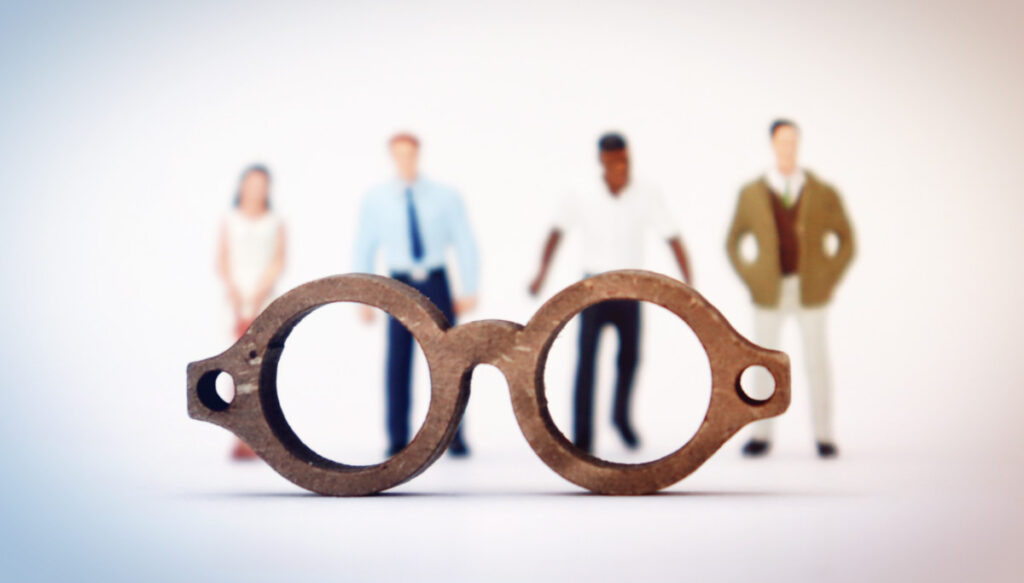
Is it really possible to solve unconscious bias in organisations? We are often asked this question. We commonly team up with specialists in diversity, equity and inclusion to assist in cultural change programmes designed to do just this. So yes, we believe there are ways to address and manage unconscious bias – both in ourselves and in others.
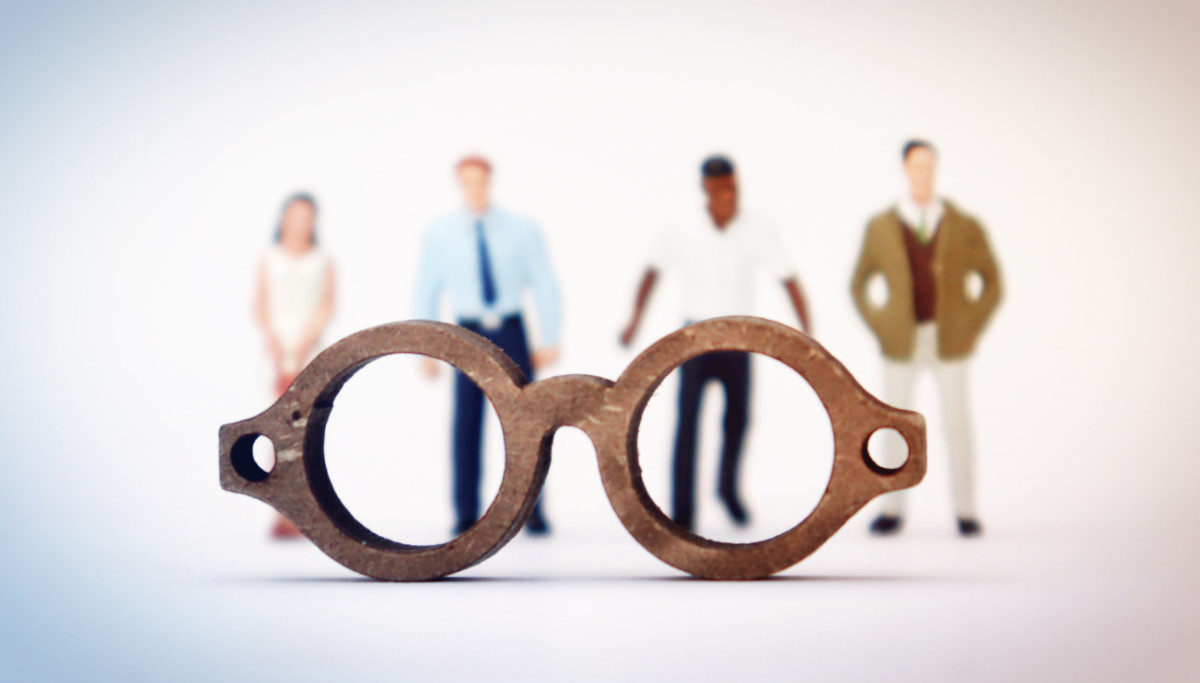
Many people who have an ‘-ism’ are not being deliberately offensive or rude, their problem is in their unconscious bias. This is hard to shake because it is, by its very nature, unconscious. The person is not aware they even have a bias ‘it’s just how I am’ they might say.
What lies behind unconscious bias?
People develop their biases through their life experience, the values and beliefs they adopted as children and when it comes to issues like diversity, the degree of diversity they experienced as a child.
People who have had a diverse upbringing assimilate that into their minds as ‘normal’ and are therefore less likely to develop the kinds of biases that cause problems in the workplace and the world generally today. Many of us didn’t have such an enlightened and diverse childhood though, so how can unconscious biases that are so deeply rooted change?
The formula for behavioural change depends on three things; you need awareness that there is something to change, motivation to change it and some choices as to how to do that. We could write a whole blog on this alone, but the first step is for people to be aware that there is something in their behaviour that needs to change.
The following tips are designed to help you think and challenge yourself and others towards a greater understanding of unconscious bias.
Things you can do to challenge your own biases
Think about your life and which types of people you’ve worked or socialised with and which people you have little experience with. It’s those who you are least familiar with that are likely to be the ones that you have some form of unconscious bias about. This is purely because you understand less about them.
So make a list and go and find out, in the spirit of curiosity, more about cultures you don’t understand, religions you are unfamiliar with, people in different socio economic groups you don’t know about. You can read about them, go and meet them, travel to their country.
The important thing is that you go in order to understand, not to judge. If you like to judge or assess others rather than understand them then your unconscious biases will be pretty hard wired, so first you need to work on shifting this.
Things you can do at work to challenge biases without shaming people
The conversations around equality, equity, diversity and inclusion have got pretty nasty and judgemental on all sides, to the point where for some it’s a toxic subject. This is such a shame so the key is to enable conversations around these topics that are unemotional, productive and do not shame anyone. Mediation techniques or non violent communication techniques are very useful in structuring conversations in a constructive way. Teach people ‘how’ to have the right conversations.
Look for incongruence in behaviour or attention that are appropriate to point out. Someone might attach a label to some people that they don’t to others, raise this and ask them about it, with curiosity rather than judgement. There’s often no need to argue with people about if they are right to wrong, sometimes just hearing themselves justifying their labelling is enough to get them thinking.
In conclusion
If we want a kinder, more inclusive society then organisations have their part to play in addressing the biases that people behave but this is not a simple solution of making people aware and encouraging people to call out inappropriate behaviour. They need to know ‘how’ to do it and people who are behaving biases need to be motivated, not shamed, into changing.
Unconscious biases may not be solvable as they are part of human nature, but there are many ways to address and ease the problems caused by them.
For further information
If you are concerned about any bias present in your organisation and would value an external perspective, we can help. As organisational psychologists we are well placed to spot the cause of problems, unravel the issues and identify the solutions. Find out more here: Monkey Puzzle Consultancy.
We covered bias and beliefs in an earlier blog, suggesting that we need to question our own automatic assumptions and be more critical of our own biases and beliefs. You can read it in full here: Fed up with Fake news? The truth is out there…